Inflammation is a natural and necessary bodily process. It’s your body’s alarm system, signaling when something is wrong and working to heal it. However, when inflammation becomes chronic—lingering for weeks, months, or even years—it can be a silent force behind a host of health issues, from joint pain and fatigue to more serious conditions like heart disease and autoimmune disorders.
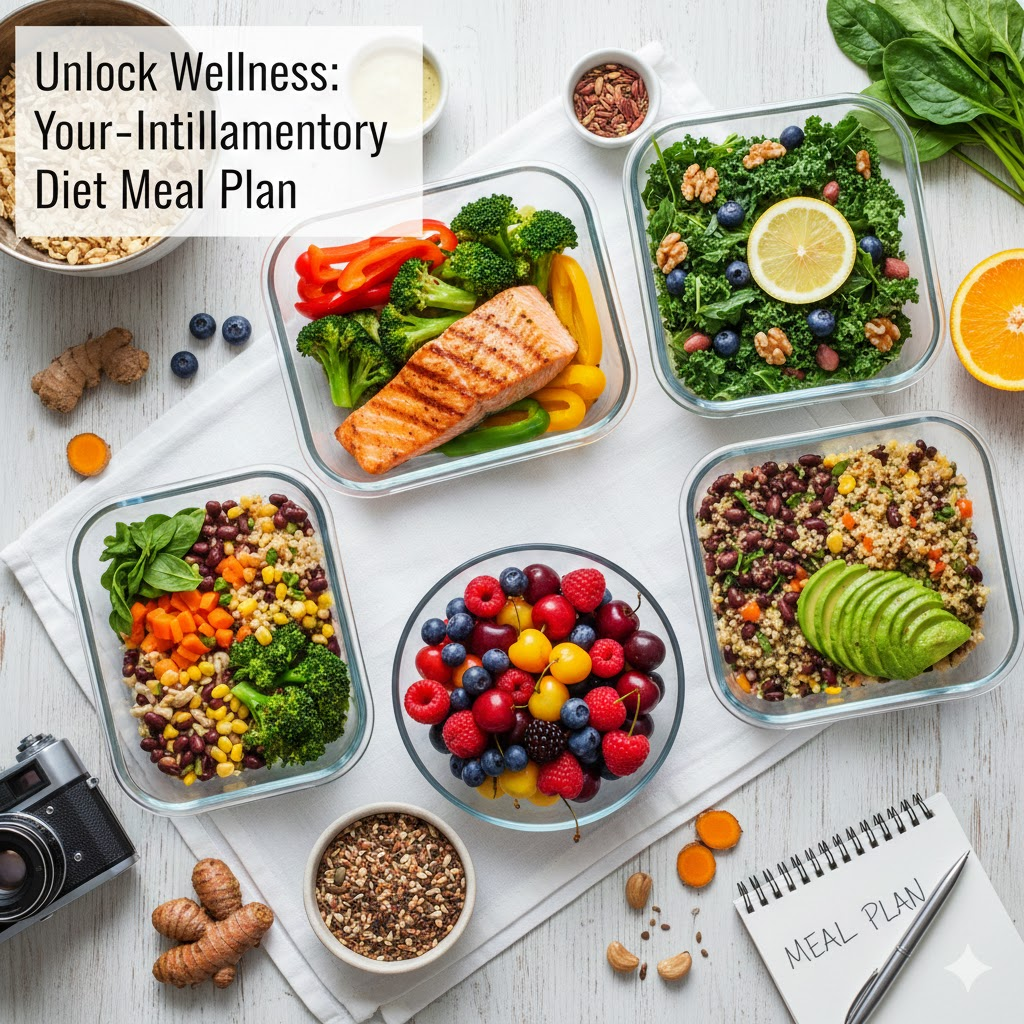
The good news? The food you eat can be a powerful tool in your fight against chronic inflammation. Embracing an anti-inflammatory diet isn’t about restrictive eating; it’s about choosing vibrant, nutrient-rich foods that nourish your body and calm its inflammatory response.

Ready to feel better, have more energy, and support your long-term health? Let’s dive into your beginner’s guide to an anti-inflammatory diet meal plan, complete with delicious ideas and actionable tips.
What is Chronic Inflammation and Why Does it Matter?
Imagine your body getting a paper cut. The area around the cut becomes red, swollen, and warm – that’s acute inflammation, and it’s doing its job to protect you and start healing. Chronic inflammation is different. It’s like your body’s alarm system is stuck on “on,” even when there’s no immediate threat.


This sustained internal stress can damage healthy cells and tissues, contributing to:
- Joint Pain: Arthritis (rheumatoid arthritis, osteoarthritis)
- Digestive Issues: Inflammatory Bowel Disease (Crohn’s, Ulcerative Colitis)
- Skin Conditions: Psoriasis, eczema
- Cardiovascular Disease: Heart attacks, strokes
- Metabolic Syndrome: Type 2 diabetes, obesity
- Brain Health: Depression, cognitive decline
- Fatigue and Brain Fog
By adopting an anti-inflammatory diet, you’re actively working to quiet this “alarm system” and promote healing from within.

The Pillars of an Anti-Inflammatory Diet: What to Eat (and What to Limit)
This isn’t a fad diet; it’s a sustainable way of eating that focuses on whole, unprocessed foods.
Embrace These Inflammation Fighters:
- Fruits & Vegetables: The more colorful, the better! Berries, cherries, oranges, leafy greens (spinach, kale), broccoli, bell peppers, tomatoes, avocados. These are packed with antioxidants and phytonutrients.
- Omega-3 Rich Foods: Crucial for reducing inflammation. Think fatty fish like salmon, mackerel, sardines, as well as flaxseeds, chia seeds, and walnuts.
- Whole Grains: Oats, brown rice, quinoa, whole-wheat bread (in moderation). They provide fiber, which supports gut health, a key player in inflammation.
- Healthy Fats: Olive oil (extra virgin), avocados, nuts, and seeds.
- Spices & Herbs: Turmeric (especially with black pepper!), ginger, garlic, cinnamon, rosemary, cayenne pepper. These are powerful anti-inflammatory agents.
- Legumes: Lentils, beans, chickpeas – excellent sources of fiber and plant-based protein.
Limit or Avoid These Inflammation Triggers:
- Refined Carbohydrates: White bread, pastries, sugary cereals, white pasta.
- Sugary Drinks: Sodas, fruit juices with added sugar.
- Processed Foods: Fast food, packaged snacks, frozen dinners with long ingredient lists.
- Trans Fats & Excessive Saturated Fats: Found in fried foods, some fast food, red meat (limit intake).
- Refined Vegetable Oils: Corn, soybean, safflower, sunflower oil (use olive oil instead).
- Excessive Alcohol: Moderate intake is key.
Your 3-Day Anti-Inflammatory Diet Meal Plan for Beginners
This sample meal plan is designed to be simple, delicious, and easy to adapt. Feel free to swap ingredients based on your preferences and what’s available seasonally.
Day 1: Fresh & Filling
- Breakfast: Berry & Spinach Smoothie. Blend 1 cup spinach, 1/2 cup mixed berries, 1/2 banana, 1 tablespoon chia seeds, 1 scoop plant-based protein powder (optional), and unsweetened almond milk.
- Lunch: Large Mixed Green Salad with Salmon. Mixed greens, cucumber, bell peppers, cherry tomatoes, 4 oz grilled or baked salmon, dressed with extra virgin olive oil and lemon juice.
- Dinner: Chicken & Veggie Stir-fry. Sauté chicken breast pieces with broccoli, carrots, snap peas, and bell peppers in a little olive oil. Season with ginger, garlic, and a low-sodium tamari or coconut aminos. Serve with 1/2 cup brown rice.
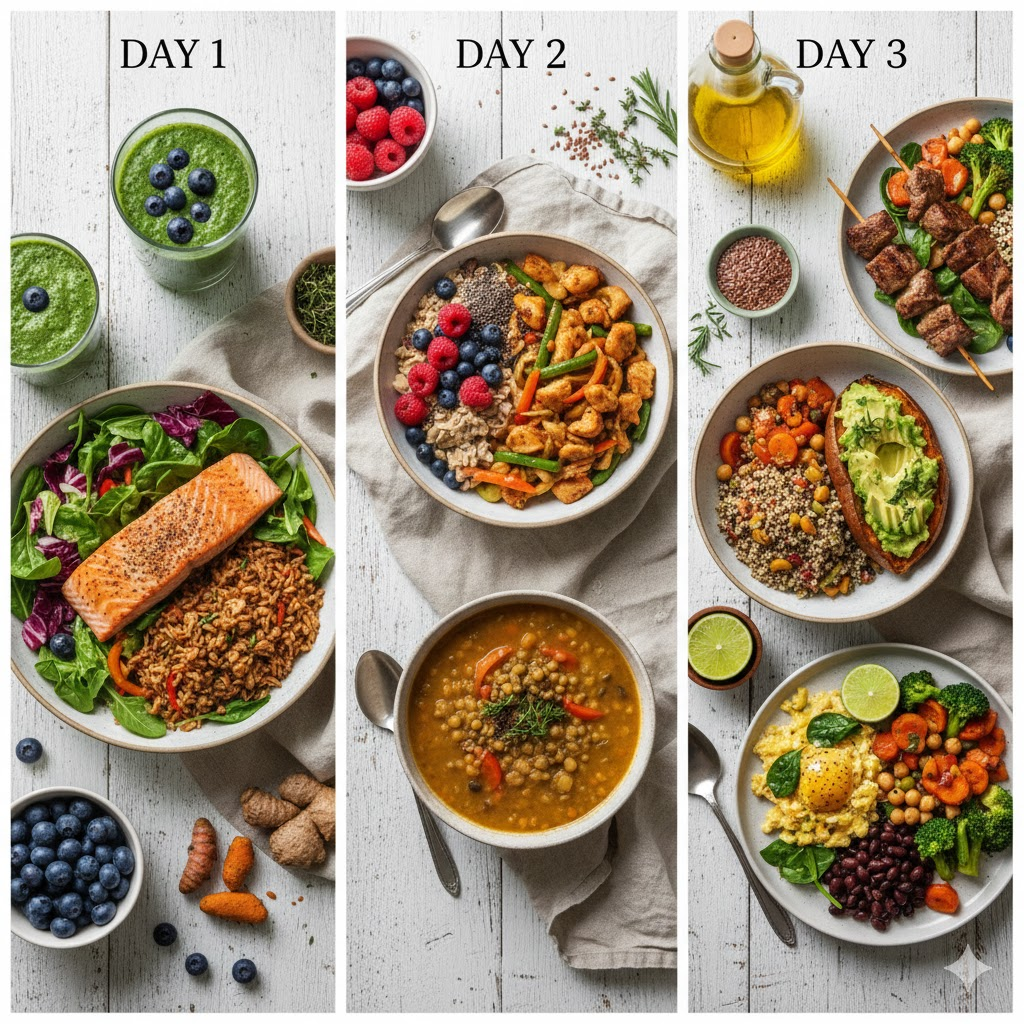
Day 2: Hearty & Wholesome
- Breakfast: Oatmeal with Walnuts & Berries. 1/2 cup cooked steel-cut or rolled oats topped with 1/4 cup mixed berries, 1 tablespoon walnuts, and a sprinkle of cinnamon.
- Lunch: Leftover Chicken & Veggie Stir-fry or a large bowl of Lentil Soup. (A great way to use up leftovers or make a batch of soup for the week!)
- Dinner: Baked Cod with Roasted Sweet Potatoes & Asparagus. Season 5-6 oz cod with herbs (dill, parsley), lemon, salt, and pepper. Roast sweet potato wedges and asparagus spears with olive oil until tender.
Day 3: Plant-Powered & Flavorful
- Breakfast: Avocado Toast on Whole-Wheat. 1 slice of whole-wheat toast topped with 1/2 mashed avocado, a sprinkle of red pepper flakes, and everything bagel seasoning. Pair with a small fruit salad.
- Lunch: Quinoa Salad with Chickpeas & Roasted Vegetables. Mix cooked quinoa with roasted bell peppers, zucchini, red onion, a can of rinsed chickpeas, and a dressing of olive oil, apple cider vinegar, and dried oregano.
- Dinner: Black Bean Burgers (Homemade) on Lettuce Wraps. Serve homemade black bean patties (made with oats, spices, and veggies) on large lettuce leaves with sliced tomato, onion, and a dollop of homemade salsa. Side of steamed broccoli.
Snack Ideas (Choose 1-2 per day if hungry):
- A handful of almonds or walnuts
- Apple slices with a tablespoon of almond butter
- Vegetable sticks (carrots, celery, bell peppers) with hummus
- Small bowl of mixed berries
- Hard-boiled egg
Tips for Success on Your Anti-Inflammatory Journey
Transitioning to a new way of eating takes time and patience. Here are some tips to help you stick with it and make it a sustainable lifestyle:



- Start Small: Don’t overhaul your entire pantry overnight. Begin by incorporating more anti-inflammatory foods and gradually reducing inflammatory ones.
- Meal Prep is Your Friend: Dedicate a couple of hours each week to chopping vegetables, cooking grains, and preparing proteins. This makes healthy eating effortless during busy weekdays.
- Read Labels: Become a detective! Check ingredient lists for hidden sugars, unhealthy oils, and artificial additives in packaged foods.
- Stay Hydrated: Drink plenty of water throughout the day. Water supports every bodily function, including detoxification and nutrient transport.
- Listen to Your Body: Pay attention to how different foods make you feel. Do you notice reduced bloating, more energy, or less pain? This personal feedback is invaluable.
- Spice it Up: Experiment with anti-inflammatory spices like turmeric, ginger, garlic, and cayenne pepper in your cooking. They add incredible flavor and health benefits.
- Don’t Aim for Perfection: Life happens! If you occasionally eat something off-plan, don’t dwell on it. Just get back on track with your next meal. Consistency over perfection is key.
- Consult a Professional: If you have chronic health conditions or are considering a significant dietary change, it’s always wise to consult with your doctor or a registered dietitian.
Beyond the Plate: A Holistic Approach to Reducing Inflammation
While diet is a cornerstone, it’s part of a larger picture when it comes to managing inflammation. Consider these lifestyle factors:

- Regular Movement: Gentle exercise, like walking, yoga, or swimming, can significantly reduce inflammation.
- Stress Management: Chronic stress elevates cortisol, a hormone that can fuel inflammation. Incorporate stress-reducing practices like meditation, deep breathing, or spending time in nature.
- Quality Sleep: Aim for 7-9 hours of restorative sleep each night. Sleep is your body’s repair time.
- Limit Toxins: Reduce exposure to environmental toxins where possible, such as cigarette smoke, excessive alcohol, and certain harsh chemicals in cleaning products.
Ready to Reclaim Your Health?
Embarking on an anti-inflammatory diet meal plan is more than just about weight loss or a temporary fix; it’s about investing in your long-term health and well-being. By focusing on whole, unprocessed foods and reducing inflammatory triggers, you’re empowering your body to heal, thrive, and feel its best.
Start today, one delicious, nutrient-packed meal at a time. Your body will thank you!

The “Anti-Inflammatory Kitchen” Shopping List
To make your transition easier, keep these staples in your pantry and fridge. This ensures that even on busy nights, you have the “building blocks” of a healing meal.
- The Produce Aisle: Spinach, kale, blueberries (frozen are great!), avocados, lemons, ginger root, and garlic.
- The Protein Section: Wild-caught salmon, sardines, chickpeas, lentils, and organic chicken.
- The Healthy Fats: Extra virgin olive oil, walnuts, chia seeds, and ground flaxseeds.
- The Spice Cabinet: Turmeric, black pepper (to activate the turmeric), cinnamon, and dried rosemary.
Understanding the “Why”: The Science of Healing
When you eat high-sugar, highly processed foods, your body releases pro-inflammatory cytokines. These are small proteins that act as messengers, telling your immune system to stay on high alert.
By switching to an anti-inflammatory meal plan, you are providing your body with polyphenols and antioxidants. These molecules neutralize “free radicals”—the unstable atoms that damage cells and trigger the inflammatory response in the first place.
Beyond the Plate: A Holistic Approach to Reducing Inflammation
While diet is a cornerstone, it’s part of a larger picture when it comes to managing inflammation. Consider these lifestyle factors:
- Regular Movement: Gentle exercise, like walking, yoga, or swimming, can significantly reduce inflammation markers like C-reactive protein (CRP).
- Stress Management: Chronic stress elevates cortisol, a hormone that can fuel inflammation. Incorporate practices like meditation or deep breathing.
- Quality Sleep: Aim for 7–9 hours of restorative sleep. Sleep is your body’s primary “repair cycle.”
Final Thoughts: Start Small, Feel Big
Embarking on an anti-inflammatory journey isn’t about being perfect—it’s about being consistent. You don’t have to change everything today. Start by swapping your morning pastry for oatmeal, or your soda for green tea.
Over time, these small shifts reduce the burden on your immune system, leading to clearer skin, better digestion, and more vibrant energy levels.
Would you like me to create a 7-day printable grocery list based on this meal plan to help you get started this weekend?